
Why design architecture and interiors together
When homeowners begin a renovation, they often picture the transformation in two stages. First the architecture. Then the interiors. This split is common in the industry. It also creates many of the problems that appear later on site. Architecture and interiors are not separate layers. They rely on each other. When they are developed together the home feels coherent, comfortable, and carefully resolved. When they are separated the design often loses clarity.
Forgeworks works as a single interdisciplinary team. Architecture and interiors develop side by side, and this approach has shaped several award winning homes. The results speak for themselves. Spaces feel quieter, more natural, and more deliberate because every decision comes from one shared design process.
This guide explains why thinking about architecture and interiors together leads to stronger projects, smoother coordination, and better long term value.

1. Architecture sets the structure. Interiors set the experience
The architecture defines structure, openings, circulation, and the way daylight enters the home. The interiors define how the rooms are used, how materials meet, and how the atmosphere feels. These two layers cannot be separated cleanly. The quality of the interior depends on the decisions made at the architectural stage.
Spatial planning
A kitchen that works well relies on its relationship to windows, circulation, services, ceiling heights, and views. These are architectural decisions. When these decisions happen without thinking about cabinetry, appliances, lighting, and storage, the interior struggles.
Proportions and alignment
Door locations, window positions, and structural elements shape the rhythm of a room. They influence where furniture fits. They affect whether the space feels balanced. When architecture and interiors work together these align naturally.
Material junctions
Stone floors, plasterwork, timber joinery, tiles, and metalwork all meet at specific points. These junctions are resolved at the technical design stage. When interiors are considered from the start, these details feel calm and ordered.
The interior experience is shaped well before furniture or finishes appear. It begins at the earliest design decisions.
2. Better flow and circulation
Homes rarely fail because of finishes. They fail because of how people move through them. Architecture and interiors must work together to control flow, storage, light, and sightlines.
Storage
Storage is where many renovations fall behind. When interiors are an afterthought, storage becomes piecemeal and added wherever space is left over. When the interior strategy is developed alongside the architecture, storage becomes integrated. Joinery sits within wall thicknesses. Utility spaces are placed logically. Rooms stay uncluttered.
Room sequence
The order in which spaces are experienced matters. Entrances need a sense of arrival. Kitchens need working clearances. Living rooms need quiet zones. When architects and interior designers work as one team these sequences are shaped with confidence.
Transition spaces
Corridors, thresholds, and openings often reveal whether a home has been designed coherently. When both disciplines collaborate early, these spaces feel intentional rather than leftover voids.
Flow relies on alignment between architecture and interiors from the start.

3. Stronger control of light
Light is one of the most important elements of design. It shapes mood, comfort, and the way materials read. Architecture determines the sources of light. Interiors determine how that light is controlled and softened.
Window placement
Window sizing and position must support furniture layouts and daily use. A poorly placed sill height affects desks, seating, and storage. When interior thinking guides window design, the home feels more usable.
Artificial lighting
Lighting design links directly to ceiling structure, service zones, joinery, and wall finishes. When architecture and interiors are separate, lighting often becomes a late compromise. When the team works together, lighting becomes part of the architectural language.
Material reflectance
The balance of matt and polished surfaces, the softness of timber, and the warmth of stone all change the way light behaves. These choices need coordination with apertures, overhangs, and room proportions.
Good light is never accidental. It comes from a unified design strategy.
4. Kitchens and bathrooms require both disciplines
Kitchens and bathrooms are the most technically demanding rooms in a home. They combine structure, plumbing, ventilation, lighting, storage, and circulation. When architecture and interiors are handled separately, problems accumulate.
Services coordination
Plumbing runs, duct routes, and power requirements must be planned before walls and floors are built. When interior design begins after construction starts, these systems rarely align well.
Critical dimensions
Worktop height, appliance integration, shower layouts, and drainage gradients all depend on architectural decisions made months earlier. Early coordination leads to smoother construction.
Specialist joinery
Kitchens and bathrooms often involve bespoke joinery. When joinery design happens alongside the architectural drawings, the level of quality is significantly higher.
Successful kitchens and bathrooms are the product of early, integrated thinking.
5. Reduced risk of rework and cost drift
When architecture and interiors are developed separately, changes in one discipline often affect the other. This causes revisions during technical design and adds cost during construction.
Avoiding clashes
Light fittings that hit beams, radiators placed where joinery needs to sit, door swings that conflict with furniture, and sockets that clash with tiling patterns are common problems. These disappear when the work is coordinated from the start.
Avoiding late changes
If an interior designer joins after the architectural information is complete, they often request changes that impact structure or services. Each change adds time and cost.
Smoother tender process
Contractors price work more accurately when the package contains complete information for both architecture and interiors. Clearer information reduces contingency allowances and lowers the risk of unexpected costs later.
Integration early in the process saves money overall.
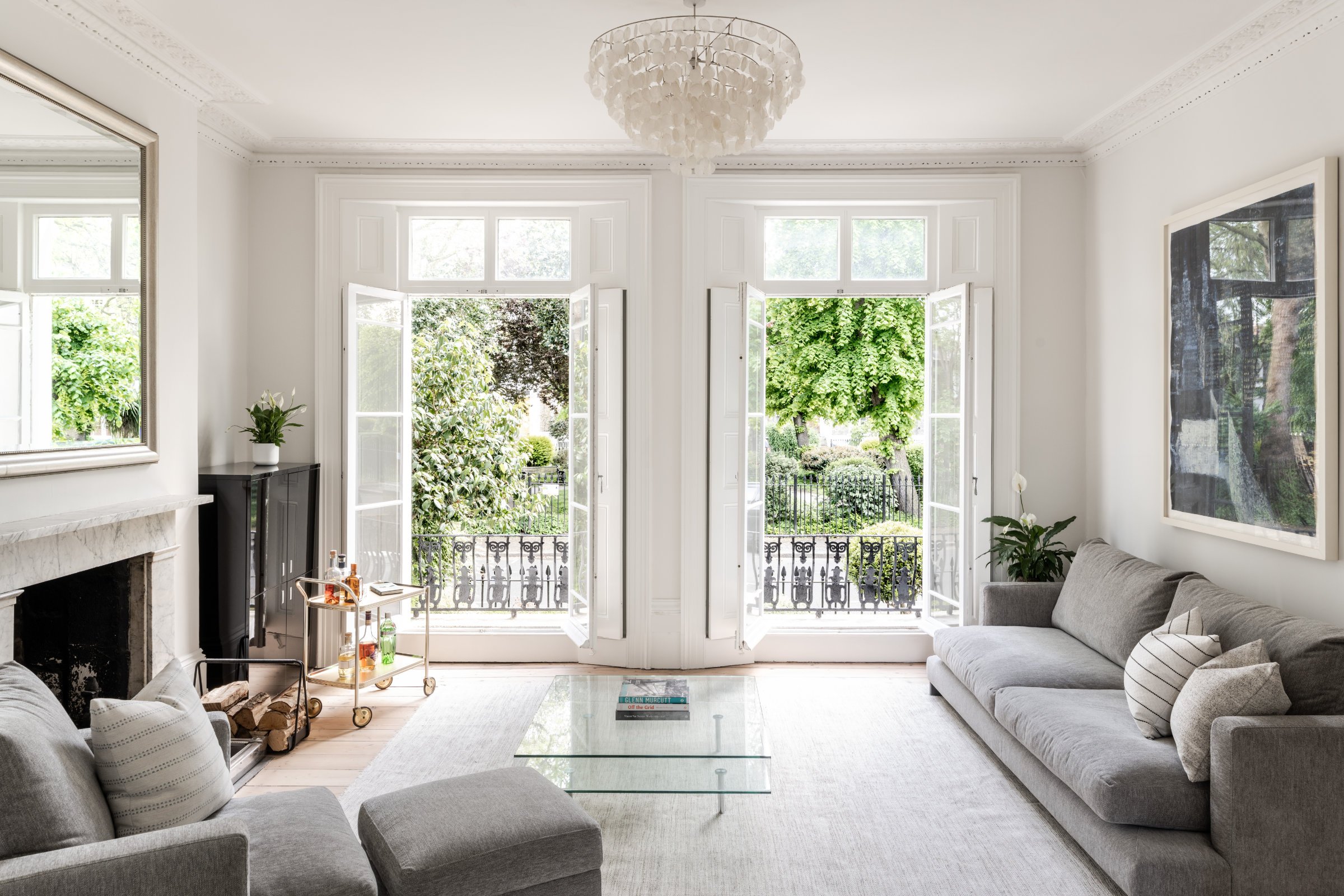
6. One coherent design narrative
Homes feel calm when every room shares an architectural logic. This does not mean everything must match. It means the principles behind the design are consistent.
Material continuity
A considered palette of natural materials creates a sense of harmony. When the same team handles architecture and interiors, the palette flows through the whole home.
Consistent detailing
Architraves, skirting, thresholds, handrails, and door hardware shape the character of a house. Consistency is easier when a single design team controls these elements.
Unified atmosphere
A home has a specific tone. Some clients want softness. Others want clarity. Some prefer natural textures. Others prefer a quieter palette. A unified team can build this atmosphere holistically.
The aim is a home that feels like one idea, not a set of disconnected rooms.
7. Faster decision making
Renovating a home involves hundreds of decisions. Many of these depend on each other. When architecture and interiors are handled by separate teams, decision chains become slow and fragmented. When they sit under one studio, decisions are faster and more accurate.
One point of contact
Clients receive clear answers rather than conflicting opinions. Questions are resolved in minutes rather than days.
Fewer meetings
One coordinated meeting replaces separate architectural and interior meetings.
Clearer programme
The design stage proceeds without pauses because the team controls both layers at once.
Decision making improves when the process is unified.
8. Better relationship between structure and furniture
Architecture shapes where furniture fits. Interiors shape how rooms are used. The two must coexist.
Built-in joinery
Joinery that fits perfectly into an alcove or within a recess requires advance architectural planning. The earlier the relationship is drawn, the cleaner the final result.
Furniture layout
Furniture placement affects switches, radiators, sockets, lighting, and circulation. When layouts are considered early, the architecture supports them rather than fights them.
Long-term flexibility
Some homeowners want the ability to change layouts over time. This is easier when interior planning guides the architectural decisions that frame the space.
Rooms feel more generous when architecture and interiors evolve together.

9. Homes that age well
The best homes improve with time. They feel grounded. Materials wear in rather than wear out. Proportions stay comfortable. Light remains balanced. This only happens when design decisions are coordinated from the start.
Durable materials
When materials are chosen with a full understanding of use and environment, they perform better over decades.
Repairable details
Simple details that rely on natural materials are easier to maintain. A unified design team tends to choose solutions that last.
Timeless character
A home feels timeless when both architecture and interiors follow the same set of principles rather than reacting to trends.
Longevity comes from integrated design.
10. How Forgeworks approaches integrated design
Forgeworks works as one studio across both architecture and interiors. This means every early sketch considers furniture, joinery, lighting, circulation, materials, and atmosphere. The approach is grounded in technical rigour and quiet design.
Early integration
From the feasibility stage onward, interior thinking shapes architectural form. Storage, flow, window placement, and material direction are set early so the project grows from a single foundation.
Award winning experience
The studio has received multiple awards for homes where both architecture and interiors were designed together. These projects show how coherent and refined a house can feel when one team handles the full design.
Cross regional expertise
Forgeworks began in London and now works extensively across Wiltshire, Somerset, and the wider region. Working in both urban and rural settings has refined an approach that balances detail with sensitivity to place.
Strong technical work
Integrated design requires strong technical knowledge. The team prepares detailed information that supports both architectural and interior intent, reducing risk on site.
The result is a home that feels grounded in one idea and executed with precision.
Architecture and interiors succeed when they are developed together. When they are separated the project loses clarity, decision making slows, and late changes increase cost. When they are unified the home feels coherent and purposeful. Materials flow naturally. Light behaves well. Rooms work as intended. The design holds together for decades.
Homeowners benefit from a single team who understand how architectural structure and interior experience shape each other. Design decisions become easier. Construction becomes smoother. The final home feels considered at every level.