
The architectural design process explained
Renovating or extending a home involves many moving parts. The architectural design process brings structure to this journey. It takes early ideas, tests them, develops them, and turns them into information a contractor can build from. A clear process reduces risk, protects the budget, and gives you confidence at every stage.
Architects in the UK follow the RIBA Plan of Work. The stages below explain how a project usually unfolds and what each step means for homeowners.
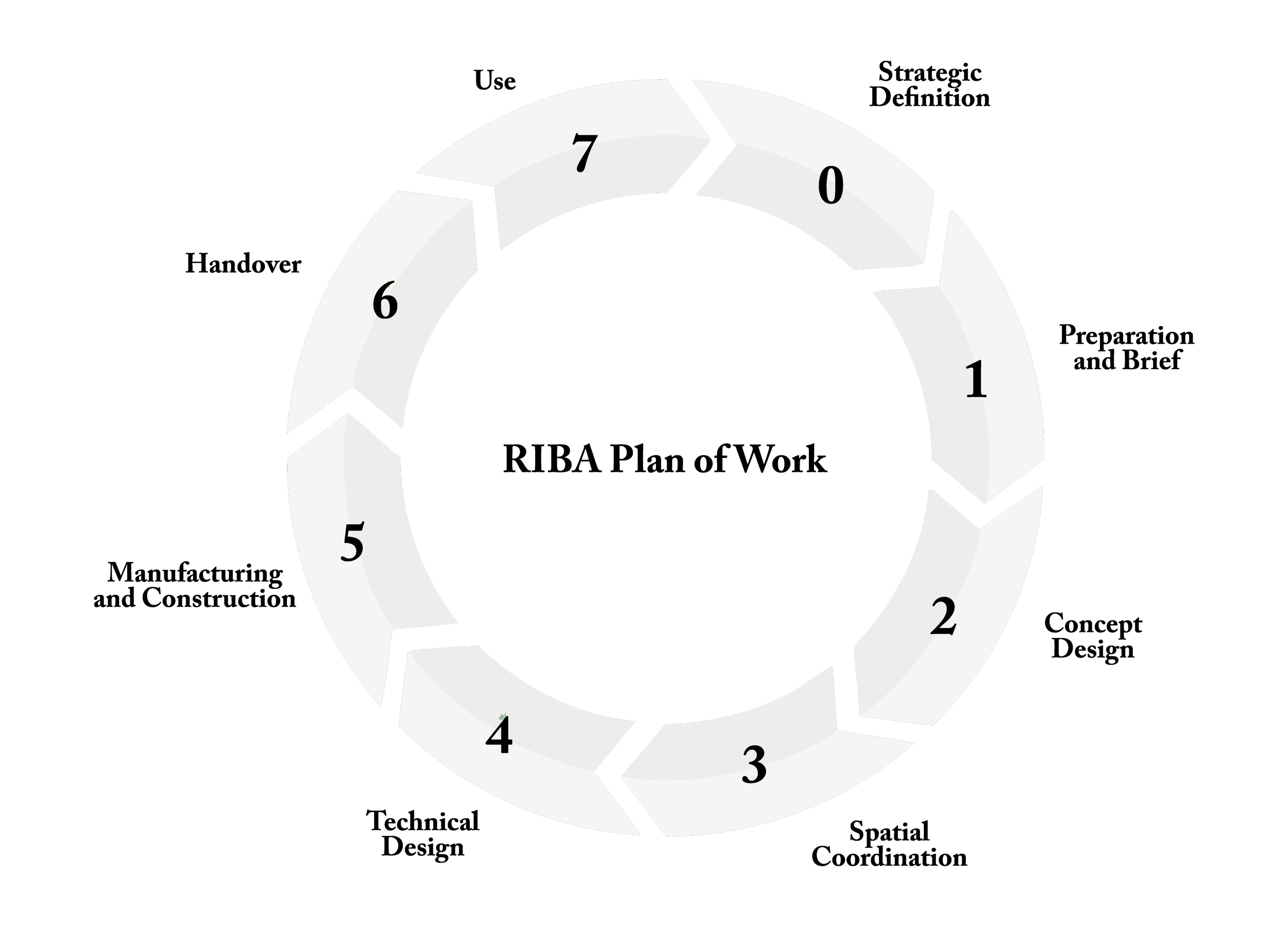
Strategic Definition, Preparation and Brief & Concept Design
The first three stages focus on understanding your brief and exploring how the house can change to support the way you want to live. The goal is to translate early thoughts into a coherent study that gives you a clear view of options, spatial possibilities, and risks.
We start with conversations about lifestyle, priorities, atmosphere, and how the current house performs. This helps define a brief that is practical and grounded. We then explore layouts, form, and character through sketches, three-dimensional modelling, and precedent studies.
By the end of this stage you receive a feasibility study with recommendations and a presentation session where we walk through the findings together. You should leave with a clear understanding of the design direction.
Some projects call for early engagement with the local authority. If the proposals challenge local planning policy we suggest submitting a pre-application. This provides feedback on how planning officers are likely to respond later. We also advise on whether a specialist planning consultant would add value.
We often introduce a cost consultant at this point. An early cost plan helps test the brief against the budget before design develops further.
This stage typically includes:
Early brief consultation and development
Production of a feasibility study document
Presentation meeting
Preparation and submission of pre-application documents
Monitoring and liaison with the local authority
Cost checks with third party quantity surveyors

Spatial Coordination
Once the preferred scheme is chosen, we develop the external design to the level required for a planning application. This includes refining massing, window placement, roof form, and materiality. The aim is to create a design that satisfies your brief while respecting context and planning policy.
At this stage we also bring in other consultants so the application is fully supported. Depending on location and constraints this might include daylight and sunlight consultants, arboricultural surveys, ecological reports, or heritage specialists. We source quotations, appoint consultants, and coordinate their work.
The planning package includes existing drawings, proposed drawings, and supporting statements that set out the design rationale. Once submitted, the architect monitors the application and handles communication with the local authority throughout the determination period. If revisions are requested, they are made promptly and with minimal disruption.
This stage typically includes:
Sourcing quotes and managing surveys required for planning
Client meetings to review massing and materiality
Production of existing CAD drawings
Production of proposed CAD drawings
Drafting of planning statements
Online submission to the local authority
Monitoring progress during the statutory period
Revisions as required
Technical Design
With planning approval secured, the design is translated into detailed technical information. This is the longest and most intensive part of the architectural process. The purpose is simple. Your contractor needs clear drawings, schedules, and specifications so they can price the work accurately and build it with confidence.
We coordinate closely with structural engineers, services designers, landscape designers, party wall surveyors, and other consultants. Every part of the brief is resolved in detail during this stage. Wall build-ups, junctions, waterproofing, insulation, window schedule, electrical layouts, joinery, floor finishes, and any specialist elements all sit within the technical package.
We meet regularly so you can review drawings as they develop. We also prepare the tender documents and organise the involvement of shortlisted contractors. Past performance matters. We recommend builders who are appropriate for the scale of the work and the level of detail required.
We also advise on Building Regulations. Clients can use an approved inspector or the local authority. The right route depends on complexity and programme.
Key activities include:
Obtaining quotes from specialist consultants
Production of detailed drawings, schedules, and specifications
Preparation of documentation for a full plans Building Regulations submission
Coordination with interior and landscape proposals
Principal Designer duties including risk assessments
Tendering to up to three contractors for competitive pricing
Monitoring the tender period and answering contractor queries
Review of returned tenders with recommendations
Advice on a suitable construction contract

Manufacturing and Construction
Once the contractor is appointed, construction begins. During this stage we offer two levels of service. Our recommendation depends on the nature of the design, the budget, and your experience working with contractors.
Client design consultation
This option supports you and the contractor while keeping site involvement focused.
It includes:
Monthly site visits at key points
Review of specialist subcontractor drawings
Responses to contractor queries
Client guidance on design changes
Pre-completion snagging and inspection reports
Site monitoring and contract administration
This is a more comprehensive service where we act as contract administrator for the build.
It includes:
Pre-start meeting with the contractor
Additional details required during construction
Fortnightly site meetings
Quality and compliance checks
Review of specialist subcontractor drawings
Guidance on design changes
Interim payment certificates
Architect’s instructions as required
Practical completion certification
Snagging and close-out
Both approaches aim to protect the design intent and ensure the build proceeds smoothly. Site presence is important. Renovations often reveal hidden conditions. An architect who understands the original design can resolve issues quickly and prevent cost drift.
Handover and Use
Once the contractor reaches practical completion, the house is ready for you to move in. At this point we remain available to answer questions and support you through the early settling-in period.
A six or twelve month defects review takes place once the building has been lived in. Small issues often appear as materials acclimatise and building systems settle. We inspect the home, list any issues, and oversee the contractor’s return to address them. Once complete, we issue the final certificate. This releases the retention sum and closes the contract.
We also offer guidance on selecting key fit-out items that complement the architecture and complete the space.

Why the process matters
The architectural design process exists to make a renovation predictable, well-coordinated, and enjoyable. It ensures you understand what is happening at every step. It brings technical rigour to a complex sequence of decisions. It protects the budget. Most importantly, it creates a home that is both thoughtful and built to last.