
What affects the cost of a renovation?
Renovating a home is one of the most meaningful investments many people make. It reshapes daily life and often unlocks far more value than moving. Yet the cost of a renovation is rarely straightforward. Two houses of similar size can produce entirely different budgets, and homeowners often find early figures confusing. Good architecture helps clarify the picture. It sets expectations, tests options, and prevents cost drift later in the process.
This guide breaks down the factors that shape the cost of a renovation, explaining each in practical terms so you know where decisions matter and where money is best spent.
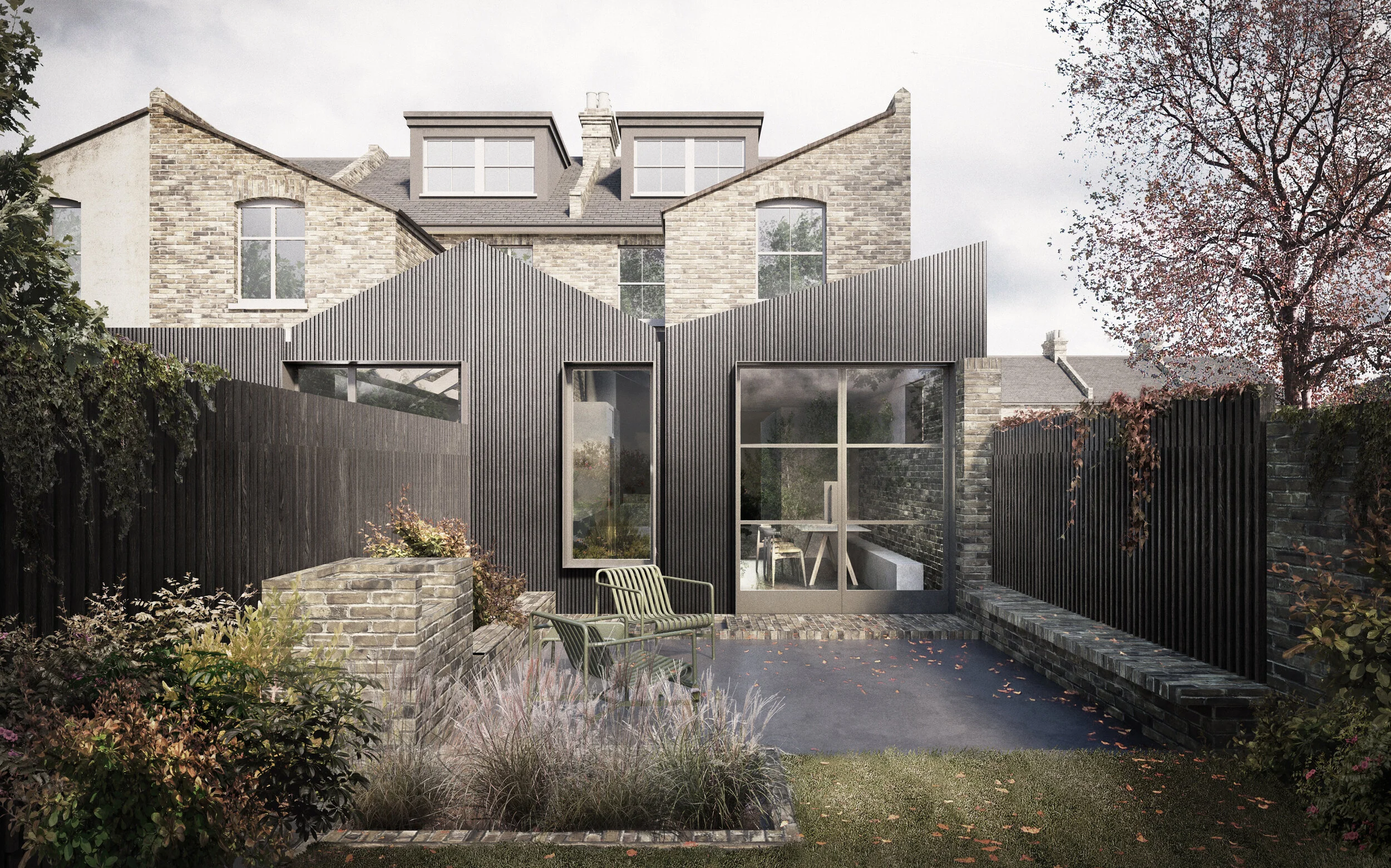
1. The existing building
Every renovation starts with the building you already have. Its structure, age, and condition drive many decisions before design begins. Older homes in London terraces, Georgian farmhouses in Somerset, or Victorian villas in Wiltshire all bring unique constraints.
Key factors include:
Structural condition
Issues hidden in walls, floors, and roofs influence cost. Timber decay, movement in masonry, or outdated framing often require reinforcement before new work can begin. Renovation budgets rise when structural upgrades become essential, especially in historic or heavily altered homes.Previous alterations
Many period houses have been extended or adapted several times. Older work can range from excellent to makeshift. Poorly executed additions, non-compliant electrics, or outdated plumbing affect the cost of a renovation because they must be corrected to meet current regulations.Access and logistics
A narrow street in a London neighbourhood brings different challenges from a countryside lane in Shropshire. Limited access can slow work and increase labour time. Moving materials through a terraced house or protecting heritage interiors adds complexity and affects building costs.
Understanding the building first helps avoid surprises. A measured survey, condition review, and early structural input keep budgets grounded.
2. Design ambition
The design itself has one of the biggest impacts on the cost of a renovation. Ambition is positive, but it needs to be aligned with the realities of construction.
Spatial changes
Retaining the layout is usually more economical than reconfiguring it. When homeowners seek open-plan living, double-height spaces, or improved circulation, the structural work intensifies. Steelwork, new floor zones, and adjusted load paths add to the renovation budget.Material quality
Honest, durable materials perform well over time and give a home integrity. Timber, stone, metalwork, high-performance glazing, and bespoke joinery each have price ranges. The choice is less about cost alone and more about how materials shape the feel of the house and its longevity. A renovation that prioritises robust materials often proves better value over the long term.Detail and craft
Thoughtful detailing takes time. Slim profiles, concealed frames, integrated lighting, or bespoke built-ins require coordination between architects, joiners, and engineers. These details elevate a home significantly and influence the cost of a renovation because they rely on skilled labour.
Design brings life to a project, but clarity at briefing stage is key. When homeowners define priorities early, the design can focus effort where it matters most.
3. Scale and type of renovation
Renovations vary widely, and so do the costs.
Light refurbishment
Repainting, flooring, and kitchen or bathroom replacements sit at the lower end of the scale. Even these works can expand when layout changes or new services are required.Extensions and reconfigurations
Rear extensions, side returns, loft conversions, or reworked internal layouts require structural changes, new foundations, and updated building services. These works make up a large share of renovation projects across London and the South West. They offer significant lifestyle benefits but carry higher building costs.Whole-house renovation
When homeowners strip a house back to its structure, replace services, renew insulation, and introduce new windows and doors, the cost of a renovation increases. The benefit is a home that works as a unified whole, not a series of patched phases.Retrofit and energy upgrades
Improving thermal performance, adding insulation, upgrading glazing, and integrating ventilation systems play a growing role in renovation budgets. These changes create healthier, more comfortable homes, especially in older buildings where energy performance is often poor.
The scale of work shapes everything from programme to professional fees. Aligning scope with your budget early keeps expectations realistic.
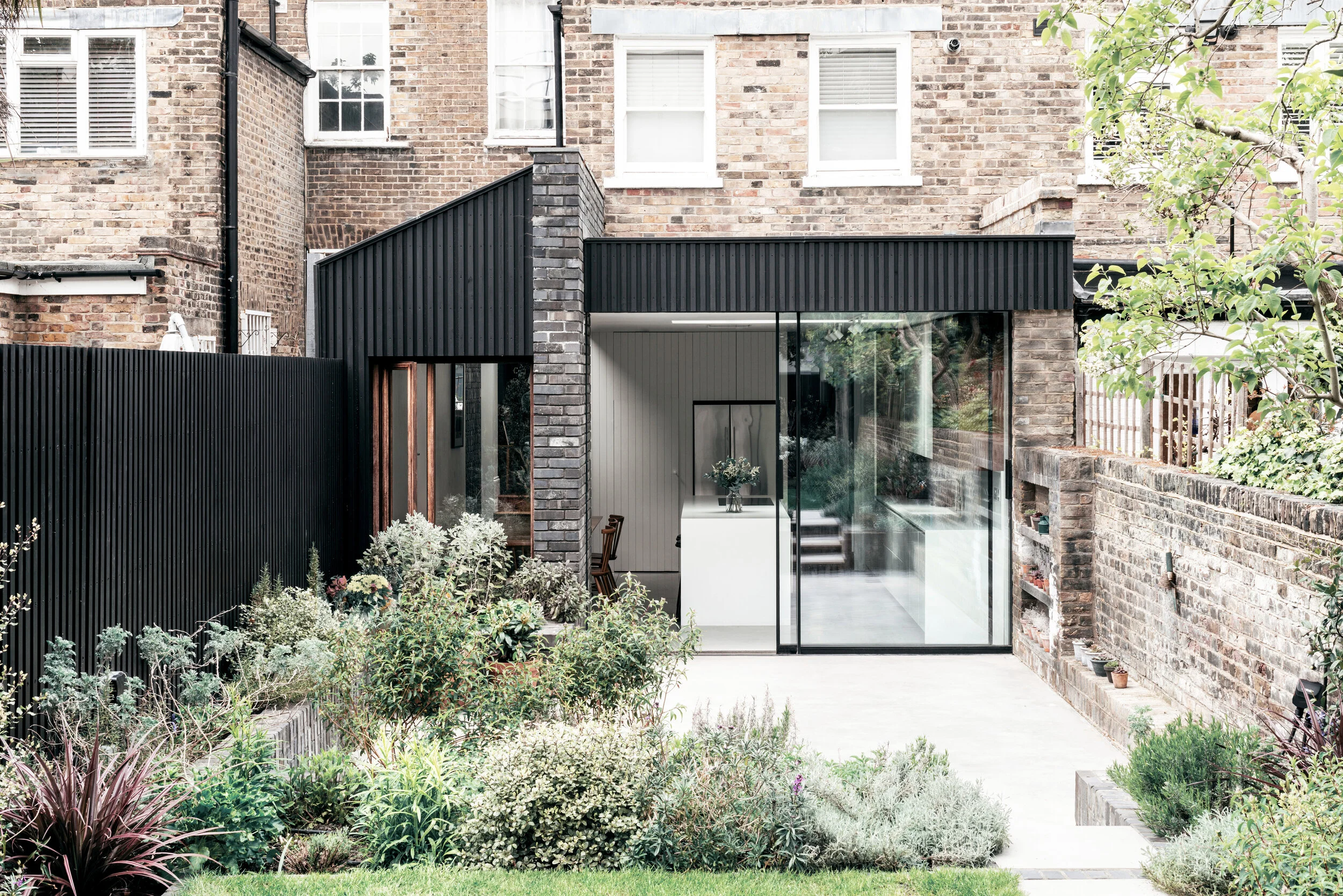
4. Structural strategy
Structural engineering often determines a large portion of the cost of a renovation.
Load-bearing walls
Removing internal walls to open up living spaces is common. The cost increases when walls are structural, as steel beams or frames are required to redistribute loads safely.Extensions
Ground conditions, foundation depth, and existing drainage affect the cost of any extension. Clay soils, shallow drains, or proximity to neighbouring buildings can require deeper foundations or specialist solutions.Historic fabric
Working within listed buildings or homes in conservation areas requires a sensitive approach. Structural solutions must respect the existing fabric and comply with heritage guidance. This adds design time and often requires specialist contractors.
A clear structural strategy helps prevent revision later in the project. Early conversations with an engineer often save money overall.
5. Building services
Mechanical and electrical systems influence comfort and efficiency, and they carry significant cost implications.
Plumbing and heating
Upgrading boilers, introducing underfloor heating, or reconfiguring bathrooms adds labour and material costs. The complexity of pipe runs, floor build-ups, and access routes affects how much work is required.Electrical systems
Rewiring is common in older homes and often triggered by renovation work. Lighting design, integrated controls, and additional power points shape the cost of a renovation as technology expectations rise.Ventilation and energy performance
Mechanical ventilation with heat recovery, air-source heat pumps, or photovoltaic systems represent upfront investment but improve comfort and reduce running costs. These systems are increasingly common in modern refurbishments.
Upgrading services transforms how a house feels day to day. It is also one area where homeowners see long-term return through efficiency and lower maintenance.
6. Glazing choices
Windows and doors can have a substantial impact on the renovation budget. They define how light moves through a home and influence thermal performance.
Openings and structural impact
Large glazed doors or picture windows require structural support and careful integration. Slim aluminium or timber systems offer strong results but come at a premium.Thermal performance
Better glazing improves comfort. Triple glazing, thermally broken frames, and airtightness detailing sit at the higher end of the cost scale but significantly improve performance in exposed or rural settings.Bespoke joinery
Joinery crafted to match existing profiles or heritage treatments tends to cost more but helps retain character, particularly in period properties.
Glazing is a point where homeowners often choose to invest because the experience of the home changes instantly.

7. Site conditions and access
Practical constraints shape time, labour, and cost.
Working in tight urban plots
London terraces often involve limited access, requiring smaller deliveries and more manual handling. This slows the programme and influences building costs.Rural and semi-rural sites
Homes across Somerset, Wiltshire, and Shropshire may offer easier access but can involve longer travel times for contractors or specialist suppliers. Weather exposure also affects programming in winter months.Neighbouring properties
Party wall agreements, shared boundaries, and rights of access may influence sequencing and consultant fees.
Logistics are often overlooked at the start. A contractor’s site visit early in design helps clarify these issues.
8. Planning and regulations
The approvals process influences both time and cost.
Planning permission
Larger extensions or external changes need consent. Sensitive contexts or heritage settings may require additional reports, consultant input, or design revisions, which in turn affect the total renovation cost.Building Regulations
Compliance involves thermal upgrades, structural checks, fire safety, and drainage. Older homes often need additional interventions to meet current standards.Listed building consent
For historic homes, design work must be more rigorous and often involves dialogue with conservation officers. Specialist craftspeople may also be required.
Allowing time for approvals ensures the build phase runs more smoothly.
9. Professional fees
Architects, engineers, surveyors, and specialists all contribute to the success of a renovation.
Architectural fees
Fees cover design development, planning submissions, technical drawings, coordination, and on-site involvement. Good architecture reduces risk, resolves problems before they reach site, and protects the overall project budget.Engineering and specialist consultants
Structural, services, heritage, ecology, and cost consultants each play a role depending on the scope. Their involvement is proportional to the complexity of the design.Contract administration
Managing the build stage, reviewing work, and ensuring compliance protects homeowners from misunderstandings, variations, and unnecessary cost.
Professional fees are part of the overall value of the renovation. They guide decisions, reduce uncertainty, and improve the final outcome.

10. Contractor expertise
The contractor’s skill level influences the cost of a renovation as much as the design.
Quality of workmanship
Detailed architecture demands precise execution. Skilled contractors invest time in setting out, coordination, and finishing. This raises labour costs but produces a home that will age better and require less remedial work later.Specialist trades
Metalwork, joinery, stonemasonry, and heritage repairs involve specialist input. These trades deliver significant value but come with higher day rates.Programme length
Longer construction periods increase preliminaries, site management, and hire costs. Realistic programming prevents overruns.
Selecting the right contractor is a balance between capability, reliability, and fit for the specific project.
11. Market conditions and pricing trends
Construction costs move with the market. Labour availability, material pricing, and economic pressures influence the cost of a renovation.
Sharp increases in timber, steel, and glazing have shaped budgets in recent years.
Contractor demand often peaks during spring and summer.
Homeowners in both urban and rural locations may face supply constraints for specialist materials.
Clear cost planning with a quantity surveyor helps track these changes and model options accurately.
12. Contingency
Every renovation involves surprises. Older homes conceal issues until demolition begins, and design evolves as the project progresses. Setting aside a contingency is essential.
Typical allowances
A ten percent contingency is common for well-scoped projects, rising to fifteen percent for complex or heritage buildings.Why it matters
Contingency protects the project. It allows for necessary decisions without compromising quality.
Planning for the unknown keeps the renovation on steady ground.
The cost of a renovation is shaped by many factors, but the most reliable way to understand your budget is through a structured design process. Clear briefing, early investigations, thoughtful design, and coordinated technical information reduce the risk of unexpected costs.
Homeowners in both cities and rural counties benefit most when they view renovation as a long-term investment. When design and construction work together, the result is a home that performs well, feels grounded in its setting, and stands the test of time.