
Why early stage design matters more than you think
When homeowners picture a renovation, they often focus on the later stages. Drawings, planning, materials, and construction all feel tangible. Early stage design feels less visible. Yet this is the point where the future home is shaped the most. Decisions made in the first weeks influence everything that follows, from cost and comfort to planning success and construction quality. When the early design stage is handled carefully, the rest of the project becomes smoother, clearer, and far easier to control.
Early design is not just sketching. It is a structured method of testing the brief, understanding constraints, shaping ideas, and forming the architectural principles that will guide the project. It reduces risk, prevents cost drift, and sets out a clear direction for the entire team.
This article explains why early stage design matters, what happens during this phase, and how homeowners benefit when the work is done with care.
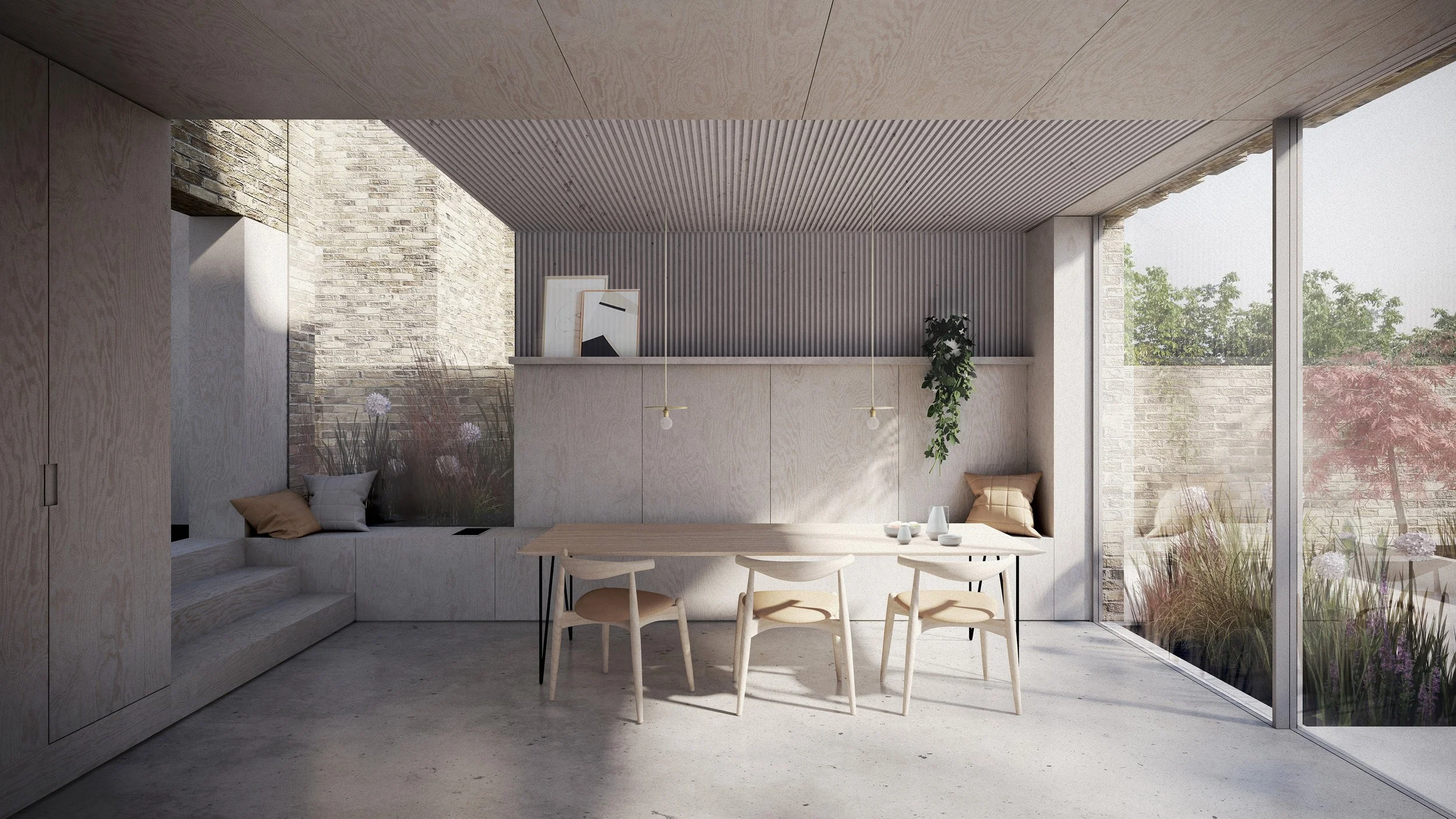
1. The early stage sets the foundation for the whole project
Every renovation begins with uncertainty. Homeowners often know what feels wrong about the house but find it harder to define what should replace it. Early stage design gives form to these ideas. It translates loose thoughts into a structured brief and explores the home’s potential.
Clarifying the brief
A successful project starts with clarity. Early design tests questions about lifestyle, priorities, space needs, and comfort. It uncovers what the home needs to do during the next decade rather than the next year.
Architects ask the right questions. How do you want mornings to feel. Where does the family gather. Which spaces should stay quiet. How should storage support daily routines. These conversations shape the direction of the entire design.
Understanding the house
Before any architectural moves are made, the team studies the building. Age, structure, access, previous alterations, light patterns, and site constraints all play a role. A clear understanding of the home’s condition prevents surprises later.
This foundation saves money and time. It avoids design moves that cannot be built. It protects against planning risks. It ensures the brief is realistic.
The strongest projects begin with a deliberate, structured early stage.
2. Early design determines how the home will work day to day
Layouts and circulation patterns are often decided before homeowners realise their long term impact. Minor adjustments on paper can profoundly affect the way the house feels.
Flow and movement
Early design establishes the path through the home. These decisions determine whether rooms feel generous or constrained. They affect how people interact and how spaces can adapt over time.
Light
Natural light is one of the most important elements of design. Early planning sets the position of openings, the depth of rooms, and the connection between spaces and views. If light is not considered early, the interior becomes dependent on artificial solutions.
Proportion and balance
The relationship between height, width, structure, and furniture is shaped in the early stage. When proportions are correct, rooms feel calm and comfortable.
By the time the design reaches planning drawings, these decisions are fixed. Early thinking shapes whether the home feels effortless or compromised.
3. Early stage design prevents cost drift
Renovations often exceed budget when design choices outpace early cost checks. The feasibility stage controls this. It sets realistic expectations before the design becomes complex.
Testing options
Early design studies show how different choices affect scale, complexity, and cost. They reveal whether a full extension is needed or whether internal reconfiguration would achieve more.
Understanding structural impact
Removing a load bearing wall or adding a double height space changes the budget. Early structural thinking prevents surprises later.
Early cost planning
Quantity surveyors often join the project during early design. They turn the brief and the initial sketches into a cost plan. Homeowners get a realistic picture of how their ambitions translate into financial terms.
Good early design protects the renovation from drifting into a price range that no longer matches the brief.
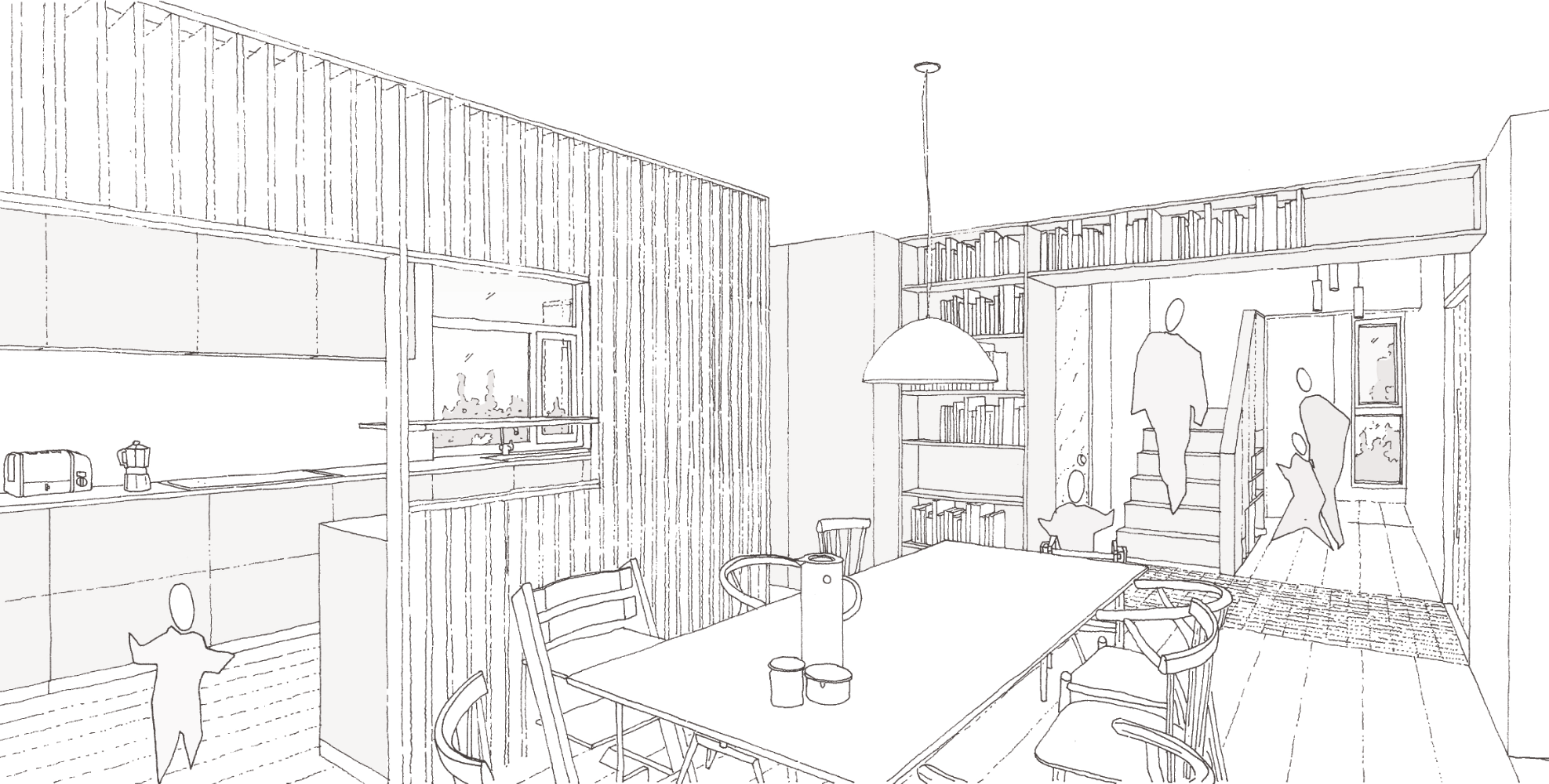
4. Early decisions reduce risk during construction
Many issues that emerge on site trace back to decisions made too late. When early stage design is done well, construction becomes more predictable.
Coordination
Architects, engineers, and interior designers work together from the start. Structural zones, service routes, window positions, and joinery ideas align early.
Fewer revisions
Contractors often need to change the design when information is incomplete. Early clarity reduces on-site changes, which are costly and slow.
Clear tender packages
A well developed concept makes technical design more accurate. Contractors price the work with confidence, leading to more reliable tender returns.
Early design removes risk before it appears.
5. Early design builds the planning strategy
Planning approval depends on clarity, proportion, sensitivity to context, and a coherent design narrative. These qualities are shaped in early design, not in the final submission.
Context matters
Whether the project is in a conservation area, a rural village, or a London terrace, early design considers local character. Massing, window rhythm, material choices, and roofline adjustments all come from this stage.
Pre-app insight
When proposals take an ambitious stance, early design supports a pre-application submission. This gives the local authority a chance to comment. It refines the direction before the formal planning stage and increases the chance of success.
Design rationale
Planning officers want to understand why decisions were made. A clear narrative grows from well considered early design, not last minute alterations.
Planning success relies on early strategic thinking.
6. Interiors depend on early architectural thinking
Interiors are often treated as a separate layer, yet they are deeply influenced by early design. Proportion, flow, storage space, lighting, and material direction are set out long before finishes are chosen.
Storage and joinery
Built-in storage is planned at feasibility and developed through early drawings. When joinery is considered early, rooms feel calmer and more functional.
Furniture planning
Homes work better when furniture placement guides early spatial decisions. This avoids awkward corners, tight pathways, and poorly sized openings.
Light and atmosphere
The interior experience depends on the size and position of openings, the way daylight enters the room, and the proportions set in early design.
When interiors and architecture evolve together, the home gains coherence.
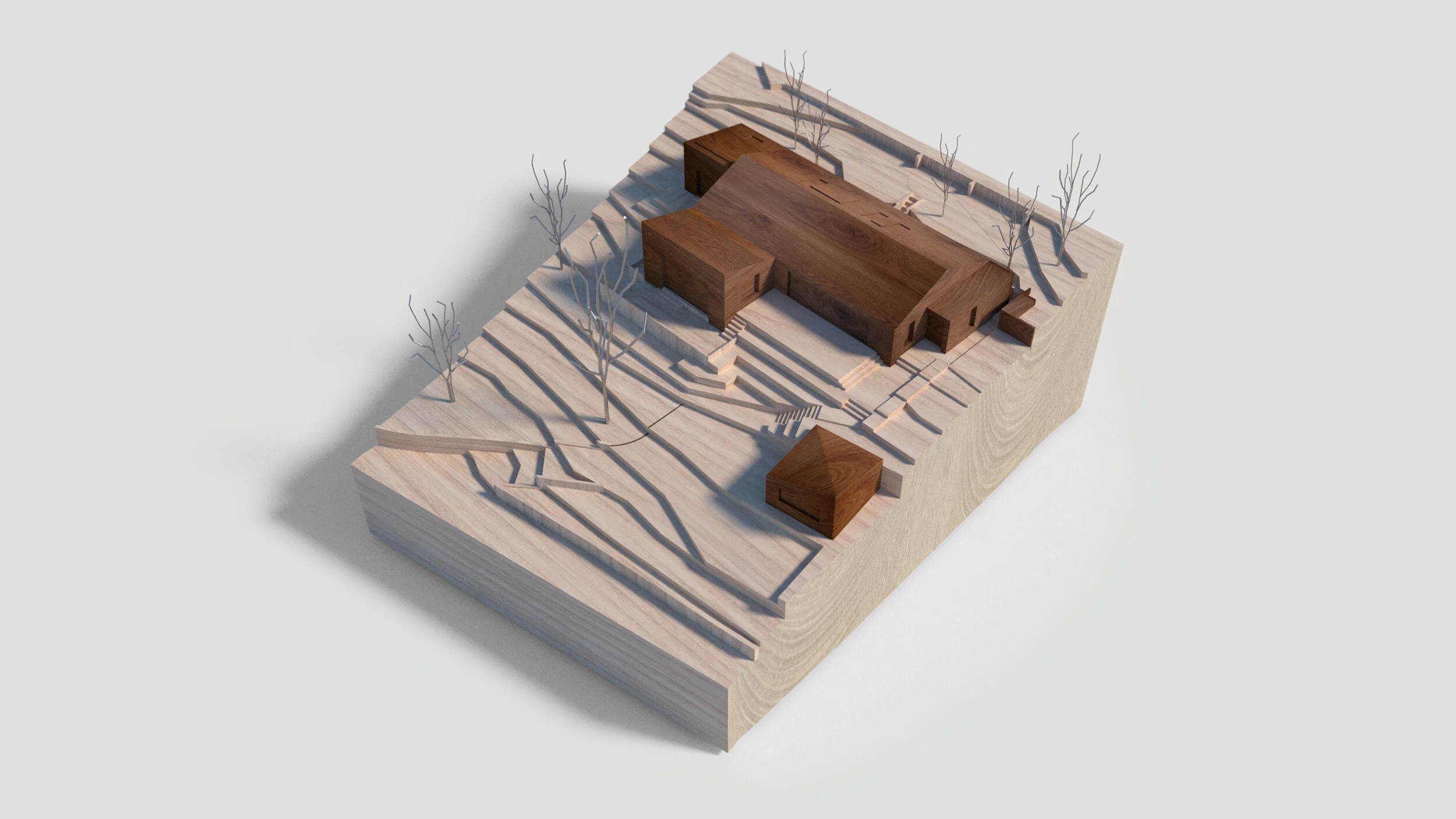
7. Early stage design reveals the true potential of a home
Many properties hold more potential than expected. Homeowners often assume the solution is a large extension, yet early design can uncover simpler and more elegant paths.
Rethinking the plan
Some of the best results come from reorganising space rather than adding to it. Early diagrams reveal ways to improve the plan without increasing floor area.
Respecting the original building
Older homes, particularly those in Wiltshire, Somerset, and Shropshire, often have strong character. Early design finds the balance between preserving charm and improving function.
Clarifying priorities
A well structured early stage helps homeowners differentiate between what feels essential and what is driven by habit or previous layouts. The design becomes sharper and more intentional.
The early stage gives shape to the most appropriate solution.
8. Early stage design strengthens the whole team
A renovation relies on coordination between client, architect, engineers, planners, cost consultants, interior designers, and contractors. Early design brings these people together around a shared idea.
A clear direction
When the early design is strong, the team understands what the project stands for. This anchors decisions throughout the process.
Better communication
Questions become easier to answer because the early drawings show intent clearly.
Fewer disagreements
When the design principles are established early, fewer decisions need to be revisited later, reducing conflict and saving time.
A unified team grows from a well considered early design phase.
9. How Forgeworks approaches early stage design
Forgeworks places high value on the earliest weeks of a project. The team sees this period as the foundation on which the rest of the design sits.
Deep briefing
Every project begins with careful listening. The aim is to understand how the home should support life, not just how it should look.
Detailed feasibility work
Sketches, three dimensional studies, structural thinking, and early planning strategy come together in a feasibility study that homeowners can understand and trust.
Cost awareness
Early conversations with cost consultants help align ambition with budget, ensuring the project stays realistic.
Award winning architectural and interior thinking
Forgeworks approaches early design as a unified discipline. Architecture and interiors develop together so decisions feel connected.
Regional experience
London terraces, rural farmhouses, stone cottages, and new build plots across Wiltshire and Somerset each demand different approaches. The studio uses experience from both urban and rural work to shape a design strategy that suits each home.
The early phase is where the practice invests the most time because it has the most influence.
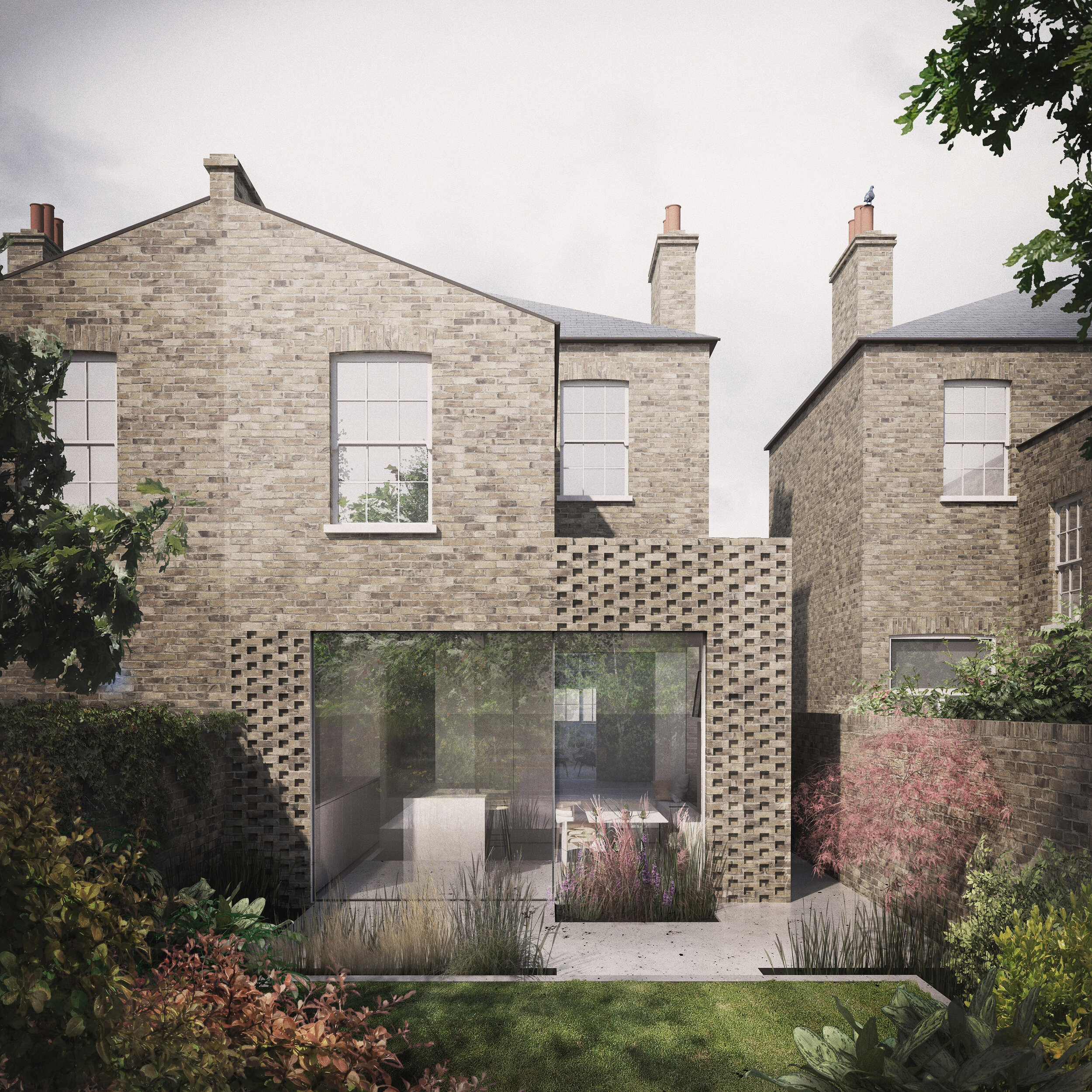
10. Early design is where the value lies
Homeowners often focus on construction as the most important part of a project. In reality, construction only reveals decisions already made. The quality of a renovation depends on earlier thinking.
Design quality
Careful early work leads to a home that feels balanced, calm, and timeless.
Cost control
Budget problems originate when early design is rushed. Proper feasibility work protects the investment.
Planning success
Clear diagrams and thoughtful massing lead to stronger planning outcomes.
Construction quality
A contractor builds what early design sets out. Better foundations lead to better results.
Early design shapes everything that follows.
Early stage design is not a preliminary step. It is the heart of the renovation. It defines the brief, clarifies ambition, reveals potential, and gives the whole team a shared direction. The strongest projects come from investing time and attention in the early weeks when ideas are fluid and decisions have the most influence.
When this stage is handled carefully, the rest of the project becomes predictable, efficient, and enjoyable. A renovation succeeds when early design is given the value it deserves.